Water Damage and Persistent Moisture
Water is the biggest enemy of any bathroom. If you notice soft spots in the floor near the toilet or tub, peeling paint on the ceiling below the bathroom, or discolored grout that stays wet long after a shower, moisture is getting where it should not. These signs often mean the waterproofing behind the tile or around the shower pan has failed. A small leak can rot the subfloor and invite mold growth inside the wall cavity. Our crew has seen bathrooms where a tiny drip behind the vanity went unnoticed for months and caused damage that required replacing the entire floor. Catching these problems early saves money and keeps your home safe.
Mold and mildew that keep coming back even after scrubbing are another red flag. Black spots on the caulk around the tub or on the ceiling above the shower suggest poor ventilation or a leak that stays damp. A bathroom fan that vents outside is essential for pulling humidity out of the room. If the fan is noisy or does not seem to move much air, it may be undersized or the duct may be blocked. Replacing the fan and adding a timer switch is a straightforward fix, but if the moisture has already damaged the drywall or the tile substrate, a full remodel may be the better long-term solution.
Outdated Fixtures and Poor Function
A bathroom that still has a pink tile countertop, a single-handle faucet that drips, or a toilet that runs constantly may be past its useful life. Fixtures from decades ago often use more water and lack the features that make modern bathrooms easier to clean and more comfortable. A low-flow toilet and a faucet with a ceramic disc cartridge save water and reduce maintenance. If the showerhead is fixed at a height that forces you to duck, or the tub is too deep to step into safely, the bathroom is not working for you the way it should. Function matters more than style, and an outdated layout can make your morning routine frustrating.
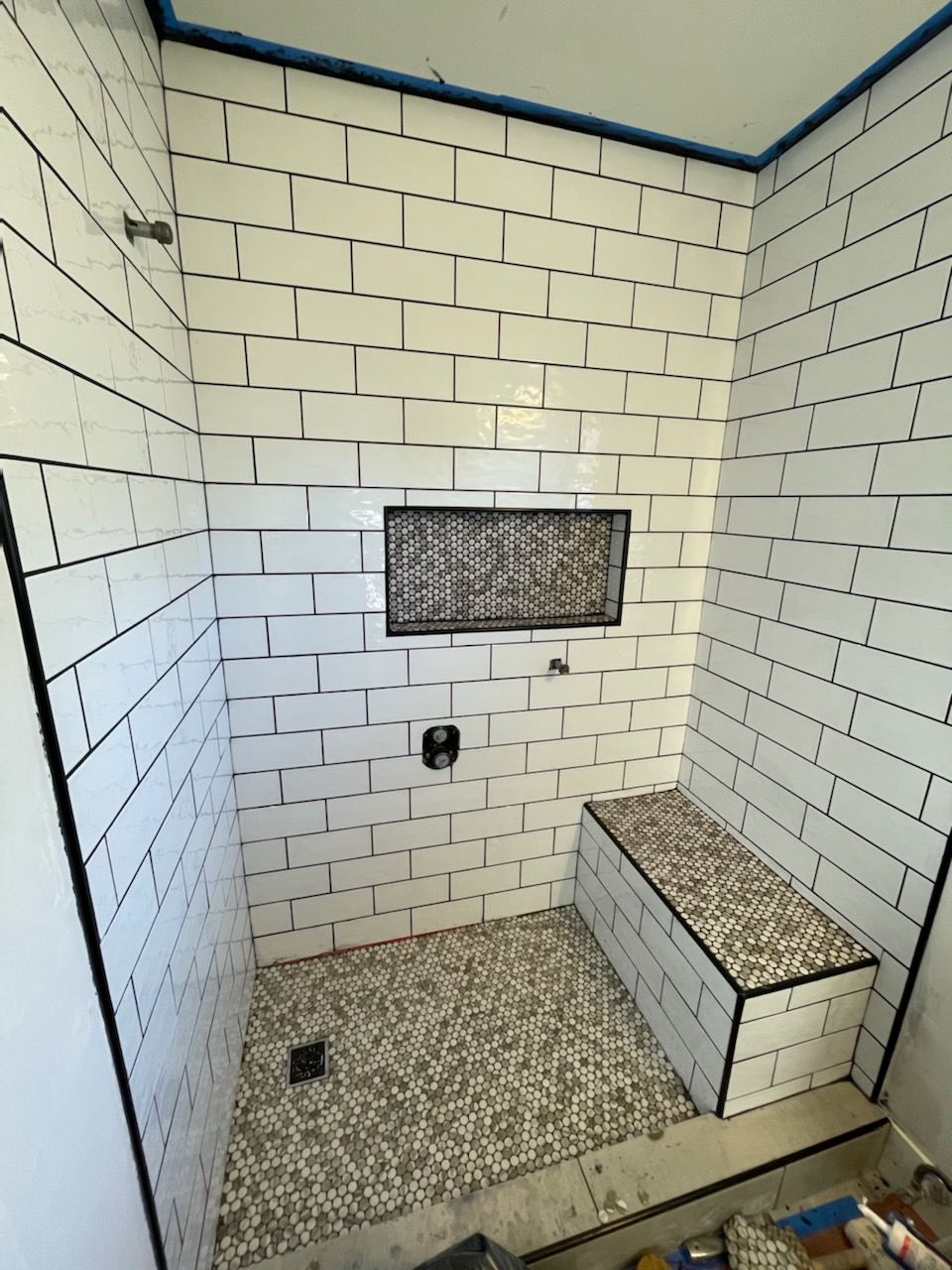
Storage is another area where older bathrooms fall short. A single medicine cabinet with a shallow shelf may not hold all the toiletries, towels, and cleaning supplies a household needs. If your counter is cluttered with bottles and brushes, consider adding a vanity with drawers or a wall cabinet above the toilet. Our crew can often repurpose existing plumbing to fit a new vanity that gives you more storage without moving the drain lines. If the shower lacks a niche for shampoo and soap, adding one during a remodel keeps bottles off the floor and makes the space look cleaner. Small changes in function can make a big difference in how the bathroom feels every day.
Cracked Tile and Worn Surfaces
Tile that is cracked, chipped, or missing grout is not just an eyesore. It is also a place where water can seep behind the wall and cause damage. Floor tiles that are loose or sound hollow when you walk on them may have lost their bond with the substrate. This can happen when the original installation did not use the right mortar or when the subfloor has moved over time. Grout that is crumbling or stained beyond cleaning is another sign that the tile assembly needs attention. Regrouting can fix minor issues, but if the tile is old and the pattern is no longer available, matching new pieces becomes impossible.
Surfaces like the countertop and vanity top also wear out. Laminate countertops can chip at the edges and peel up near the sink. Cultured marble may scratch or yellow with age. If the sink is stained or the finish is worn, replacing the countertop and sink together gives the bathroom a fresh look and a clean surface that is easier to maintain. Our crew recommends solid surface materials like quartz or porcelain for durability and easy cleaning. When you are already living with cracked tile and worn surfaces, a remodel lets you start over with materials that will hold up to daily use for many years.
Poor Layout and Accessibility Issues
A bathroom that feels cramped or awkward to move through may have a layout that does not fit how you use it. If the toilet is right next to the vanity and you have to turn sideways to sit down, the clearances are too tight. Building codes have minimum distances for a reason, and a bathroom that was built before modern codes may have spaces that are simply too small. Moving a toilet or a sink is a bigger job than swapping fixtures, but it can transform a room that feels unusable into one that works well. Our crew can tell you which walls are load-bearing and where the plumbing can be rerouted without major structural work.
Accessibility is another reason to consider a remodel. A step-in shower with a low or no curb is safer for anyone who has trouble lifting a leg over a tub wall. Grab bars in the shower and next to the toilet provide stability, and they can be installed in a way that looks intentional rather than clinical. If you plan to stay in your home as you get older, adding these features during a remodel is easier than retrofitting them later. A wider door opening and a barrier-free shower also make the bathroom more comfortable for guests or family members with mobility challenges. A well-designed layout serves everyone who uses the room.
When to Call a Contractor
If you are seeing multiple signs at once, like cracked tile, a leaky faucet, and a layout that feels cramped, it is time to talk to a contractor about a full remodel. The cost of fixing each problem separately can add up, and you end up with a patchwork of repairs that still leaves you with an old bathroom. A complete remodel lets you address all the issues at once, from the subfloor to the ceiling, and gives you a bathroom that is both functional and enjoyable to use. Our crew will come to your home, look at the space, and discuss what can be done within your budget and timeline.
Start by making a list of what bothers you most about the bathroom. Is it the lack of storage? The cracked tile? The poor lighting? Share that list with your contractor so they understand your priorities. Ask about the order of work and how long each phase will take. A bathroom remodel usually takes a few weeks, and you will need to plan for using another bathroom during that time. When the crew works on site, we load up our tools each day, keep the work area clean, and minimize disruption to the rest of your home. The result is a bathroom that looks good, works well, and adds value to your house.