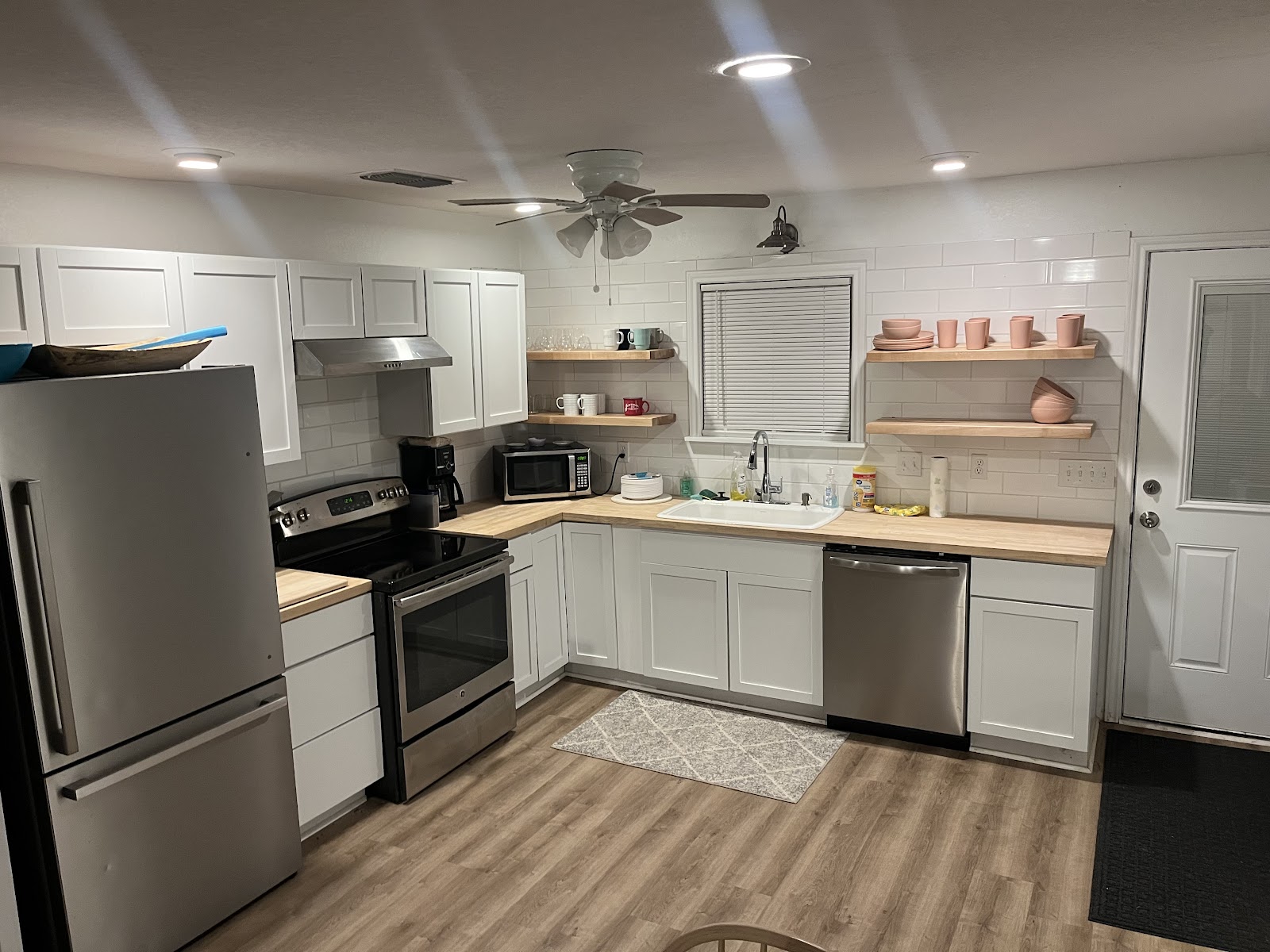
Start with a Clear Project Scope
Before you reach out to any contractor, take the time to write down exactly what you want done. A vague request like "I need some work on my kitchen" will get you vague estimates. Instead, list the specific tasks: replace countertops, install new cabinets, add under-cabinet lighting, and tile the backsplash. Include the approximate size of the area and any materials you already have in mind. The more detail you provide, the more accurate the bids will be. Our crew sees homeowners who get three very different quotes simply because they described the project differently to each contractor. A written scope levels the playing field.
Also decide what your budget and timeline look like. You do not need to give a contractor a specific number, but you should know whether you are looking for a quick refresh or a full renovation. If you are flexible on materials, say so. If you need the work done by a certain date, mention that upfront. A good contractor will tell you if your timeline is realistic or if it needs adjustment. When you have a clear project scope, you can compare bids on the same set of work, which makes it much easier to see who is offering the best value for the money.
Check References and Past Work
Once you have a short list of contractors, ask each one for references from recent projects similar to yours. A contractor who does a lot of bathroom remodels should be able to point you to a few bathrooms they have completed in the last year. Call those references and ask about the contractor's communication, punctuality, and how they handled surprises. Did the crew show up on time? Did they clean up at the end of each day? Were there any issues with the finished work, and if so, how were they resolved? These conversations tell you more than any website or advertisement ever could.
Also ask to see photos of completed work. Most contractors keep a portfolio of projects they are proud of. Look at the details: how the tile lines up at the corners, how the trim fits around the door, and whether the caulk lines are straight. A contractor who takes pride in their work will be happy to show you examples. If they hesitate or say they do not have photos, that is a red flag. Our crew always keeps a record of our projects so homeowners can see the quality of our work. When you look at past jobs, you get a sense of the contractor's skill level and attention to detail.
Ask About Process and Communication
A good contractor will explain how they run the job from start to finish. Ask about the daily schedule: what time does the crew arrive, when do they leave, and how do they handle cleanup? For a project that takes several days, you want to know that the work area will be kept safe and tidy. Also ask who will be your main point of contact. Will you talk to the owner or a project manager? How quickly can you expect a response to a text or phone call? Clear communication prevents misunderstandings and keeps the project moving smoothly.
Find out how the contractor handles changes during the job. Even with a solid plan, you might decide to swap a light fixture or add an outlet once you see the walls open. Ask whether change orders are put in writing and how the cost is calculated. A contractor who gives you a verbal okay and then surprises you with a bill is not someone you want to work with. Also ask about the payment schedule. Most contractors ask for a deposit upfront and then progress payments as the work reaches certain milestones. Avoid anyone who demands full payment before the job is done.
Compare Licenses, Insurance, and Permits
Every contractor you consider should be able to show you that they are properly licensed and insured for the work they do. Ask for their license number and verify it with your state's licensing board. General contractors typically need a license to pull permits and perform work over a certain dollar amount. Insurance is just as important: general liability insurance covers damage to your property, and workers' compensation covers injuries to the crew. If a contractor does not carry workers' comp, you could be held responsible if someone gets hurt on your property. Do not skip this step.
Permits are your responsibility as the homeowner, but a good contractor will handle the application process. Ask whether the project requires a permit and who will pull it. A contractor who says permits are not needed for your project may be trying to cut corners. Permits ensure that the work meets local building codes, which protects you when you go to sell the house. Your county building department can tell you what permits are required for your specific project. A contractor who is willing to pull permits and schedule inspections is one who stands behind their work.
Trust Your Instincts and Get It in Writing
After you have done your research, trust how you feel about each contractor. Did they return your calls promptly? Did they answer your questions clearly? Did they seem genuinely interested in your project? A contractor who is too busy to talk to you before the job starts will be even busier once the work begins. The right contractor will make you feel confident that they understand what you want and that they have the skills to deliver it. If something feels off, keep looking. There are plenty of qualified contractors in the area, and the right one is worth waiting for.
Once you choose a contractor, get everything in writing. The contract should include the full scope of work, the materials to be used, the payment schedule, the start and end dates, and a process for handling changes. Read it carefully before you sign. Ask about the warranty on the work: what is covered, for how long, and what you need to do if something goes wrong. A written contract protects both you and the contractor. When the crew loads up and drives to your home, you want to know that the job is clearly defined. With a solid plan and a contractor you trust, your project will go smoothly from start to finish.